Sub-Total: $0.00

INDIGO Blog
View our most recent posts to learn more about various types of receptors, cell-based assays, and their use in drug discovery and environmental testing applications.

The α, β, γ’s of Peroxisome Proliferator-Activated Receptors
PPAR beta/delta is expressed in multiple tissues, including skeletal muscle and adipose tissue, and is involved in fatty acid metabolism and energy expenditure. PPAR gamma is primarily expressed in adipose tissue and plays a key role in adipocyte differentiation and glucose uptake. PPARs are activated by endogenous ligands such as fatty acids and eicosanoids, as well as exogenous ligands such as thiazolidinediones (TZDs), a class of drugs used to treat type 2 diabetes. Activation of PPARs leads to the upregulation of genes involved in fatty acid metabolism, glucose uptake, and inflammation.
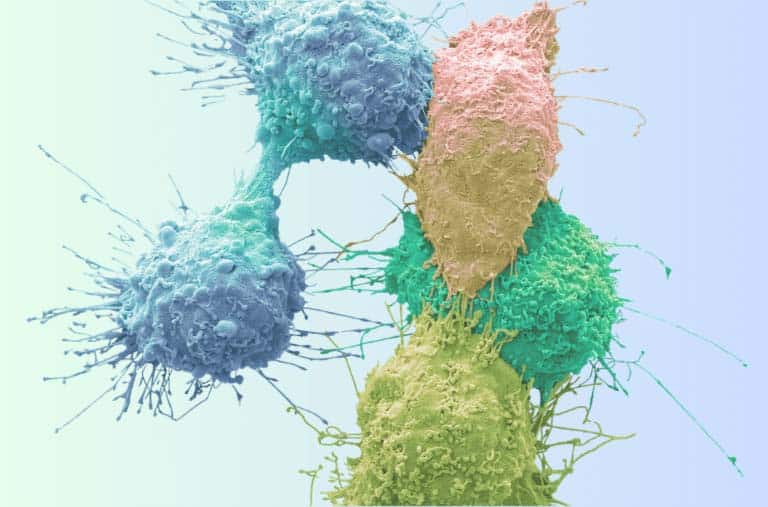
The Roles of Estrogen Receptors in Disease and Drug Discovery
The estrogen receptor (ER) is a nuclear receptor that binds to steroid hormone estrogen (or estradiol) and regulates gene transcription. ER can be found throughout the body but is most associated with expression in the cells of female reproductive tissue and some cancer cells. ER is a cytosolic protein, that when activated translocates into the…
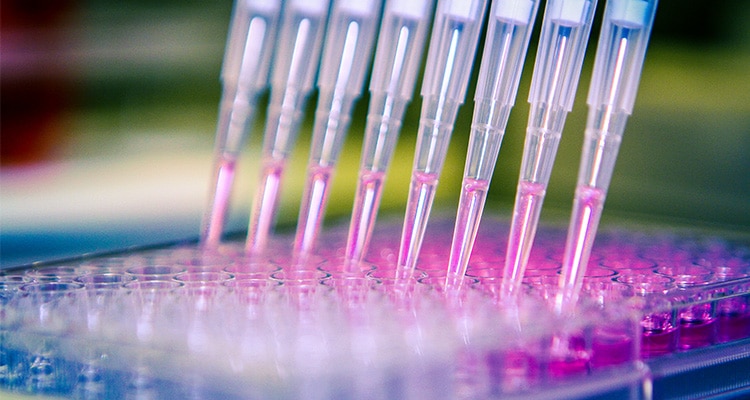
Examination of Drug-Induced Liver Injury in upcyte® Hepatocytes
Liver toxicity is a major cause of drug failure in clinical trials and often leads to the complete market withdrawal of many approved drugs today. Due to inherent differences in drug metabolism between species, it’s also difficult to extrapolate results obtained from preclinical animal models for human use. But new research on upcyte® hepatocytes suggests…
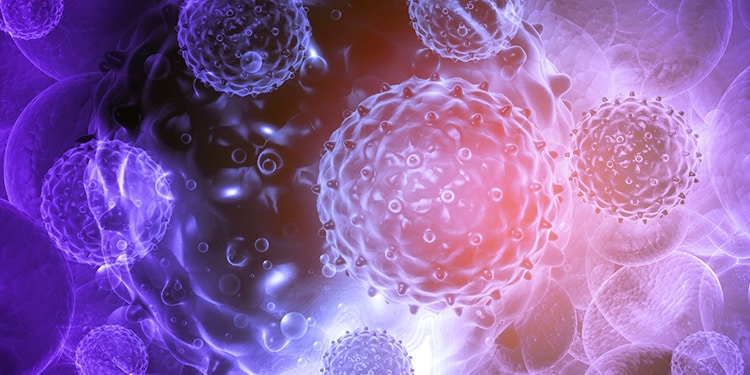
An Overview of Nuclear Receptors & Endocrine Disruption
From research available to us today, we know that there are many environmental chemicals that carry the potential to greatly impact the endocrine system. These are known as endocrine disrupting chemicals (EDCs), which are compounds that can alter drug and xenobiotic metabolic processes and interfere with the production, release, metabolism, and elimination of naturally occurring…

Enzyme Induction & Its Role in Drug-Drug Interactions & Toxicity
Through further examination of enzyme induction and its relationship to drug-drug interaction, we can better understand the effects of certain drugs and develop safer solutions for diseases and conditions.INDIGO Biosciences offers insights on enzyme induction, drug-drug interaction, and gene expression for those seeking more information to supplement their research.Enzyme induction is the enhancement of an…